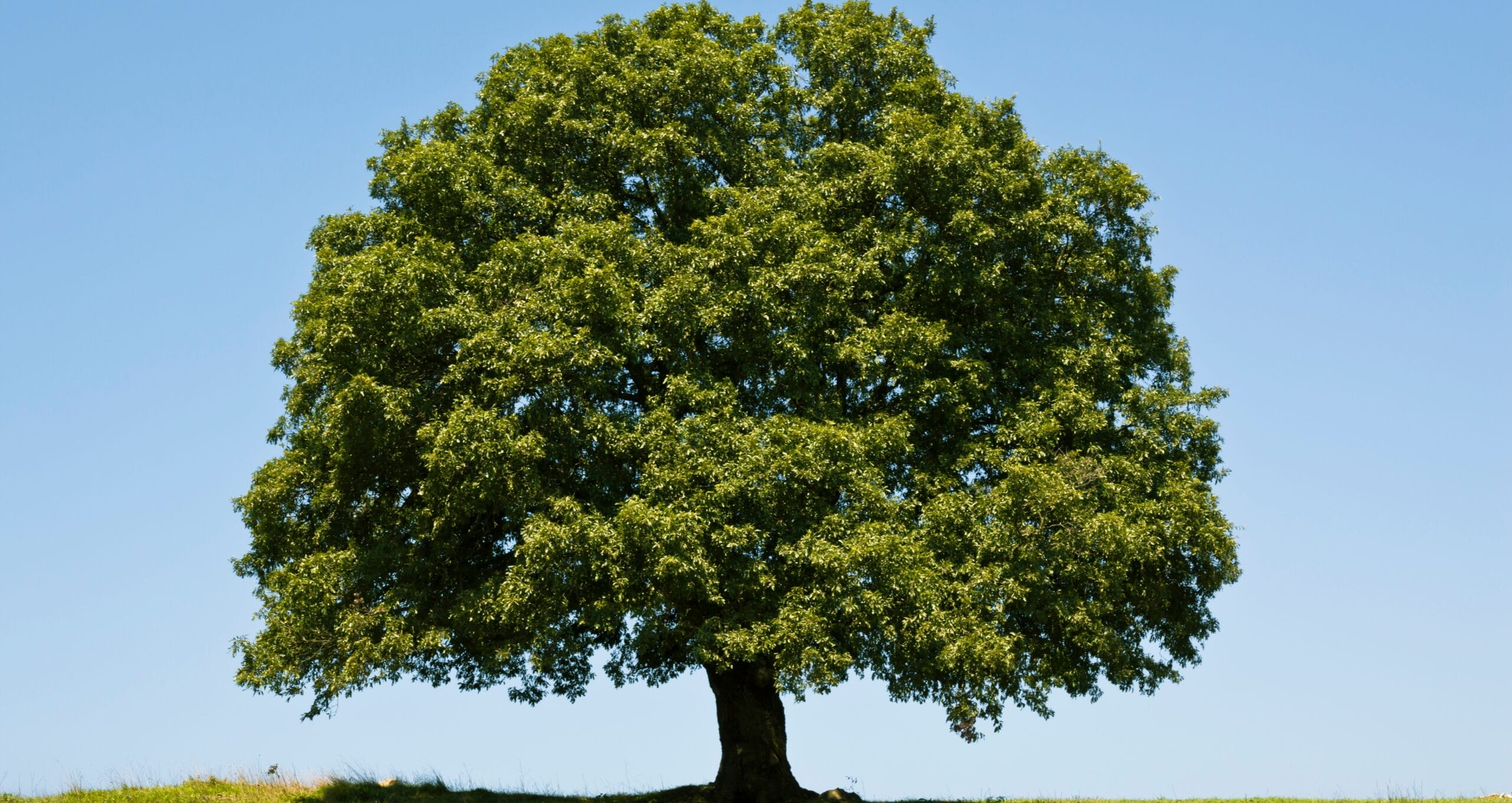
Rother District Council has given permission for the removal of a mature, healthy Sycamore tree in a conservation area not because it is unsafe, diseased, dying, or damaging property, but because it cannot be seen from the road!
- That is not environmental stewardship.
- That is not responsible local government.
- And it certainly is not consistent with Rother declaring a Nature Emergency! Including that Rother stating that “biodiversity will be boosted across Rother after the District formally declared a Nature Emergency”- Really!
It is a decision that raises serious questions about how we value nature, biodiversity, and local green infrastructure and about whether council decision-making is being guided by ecological responsibility or by convenience.
A Mature Tree, Declared “Reasonable” and Defect-Free
Rother’s own words make the situation even more alarming. In the decision document, the tree identified as T1, Sycamore is described as: “a reasonable specimen tree, and no defects have been noted to give justification for removal.” Let’s be clear: this is not a dangerous tree.
It is not structurally compromised.
It is not deadwood.
It is not a hazard.
It is a living, functioning part of the natural environment. And yet the council still concludes there is: “no objection to removal.” So what is the justification?
The Council’s Reason: “Not Visible in the Wider Landscape to the Public”
The stated reason is simple and frankly shocking:
“It is however in a secluded location not visible in the wider landscape to the public. Therefore, it is not suitable for protection by TPO…”
In other words, the council has determined that the tree’s value depends on whether people driving past it can see it. This is an astonishingly shallow and outdated way of assessing the value of a mature tree. A tree’s greatest value is often invisible to casual human sight but absolutely essential to life around it including people.
Biodiversity Doesn’t Need Public Visibility to Matter
A secluded tree can be more important than a roadside tree. A mature Sycamore tree provides:
- habitat for birds, bats, insects, fungi and lichens
- food sources through leaves, seeds and invertebrate life
- shade and cooling that reduces local temperature
- carbon capture and storage every year it remains standing
- soil stability and water regulation, reducing run-off and erosion
- wildlife corridors, especially in hedgerow and green network areas
Biodiversity does not care whether a tree is “prominent”. Nature does not perform for public approval.
Removing a healthy mature tree simply because it is “out of sight” reflects a deeply flawed mindset, one that treats the environment as something that only matters when it is visually convenient.
The Contradiction: “Environmentally Friendly” Claims vs Real-World Actions
Rother District Council often speaks publicly about:
- tackling climate change
- supporting biodiversity
- valuing nature recovery
- protecting green spaces
- meeting net zero goals
- improving environmental performance
But decisions like this undermine those claims entirely. If Rother can approve removal of a healthy mature tree with no defects and no safety justification, simply because it is “not visible,” then what does “environmentally friendly” actually mean in practice? It starts to look like branding not policy.
No Local Transparency, No Community Involvement
Perhaps the most frustrating part for local residents and environmental groups is the apparent lack of communication.
- Local people were not informed.
- Groups such as Battle for Trees were not informed.
No effort appears to have been made to:
- consult those who care
- explore alternatives
- create mitigation plans
- investigate ecological value
- ask whether removal is genuinely necessary
That absence of transparency is not acceptable when decisions involve environmental loss. A mature tree cannot be replaced overnight. And the community cannot meaningfully respond if they’re not told until it is too late.
Meanwhile, a Nearby Tree Is Being “Protected” Because It Can Be Seen
The same document shows how visibility appears to have shaped the entire approach. T2, Birch is described as: “in a more prominent position visible from the roadside.” Therefore, pruning is approved but the tree remains: “The proposed pruning will retain a substantial tree in good condition in this location.”
So we have two trees:
- one healthy but hidden and allowed to be removed
- one visible from the road is retained
That is not an ecological approach it’s a visibility based approach.
It implies trees only deserve protection if they contribute to the public view.
A Questionable Conclusion
The council’s final decision: “Conclusion: NO OBJECTION to the proposed”
This is where the public deserves answers. Because if the council acknowledges:
- the tree is “reasonable”
- no defects are present
- no justification exists for removal
then why is removal being permitted at all?
And more importantly: Why is “public visibility” being used as a deciding factor in whether a mature tree is worthy of protection?
The Bigger Issue: What This Decision Really Says
This decision sends an alarming message:
- If a tree is visible, it has value
- If a tree is hidden, it doesn’t matter
That is the exact opposite of what genuine environmental responsibility looks like.
If Rother is serious about nature recovery it should be protecting trees whether or not they make a nice backdrop for road users.
The Community Deserves Better
- Local residents deserve transparency.
- Environmental groups deserve inclusion.
- And nature deserves far more than a tick-box process where “not visible from the road” becomes enough reason to approve destruction.
- This tree should never have been treated as expendable.
If Rother District Council truly wants to be seen as environmentally friendly, it must do more than publish statements. It must make decisions that protect living ecosystems even when they are quiet, secluded, and out of sight.
Because the environment doesn’t stop existing when we stop looking at it.
Battle for Trees
Saving One Tree at a Time
Join us today to help save our trees: www.battlefortrees.com